

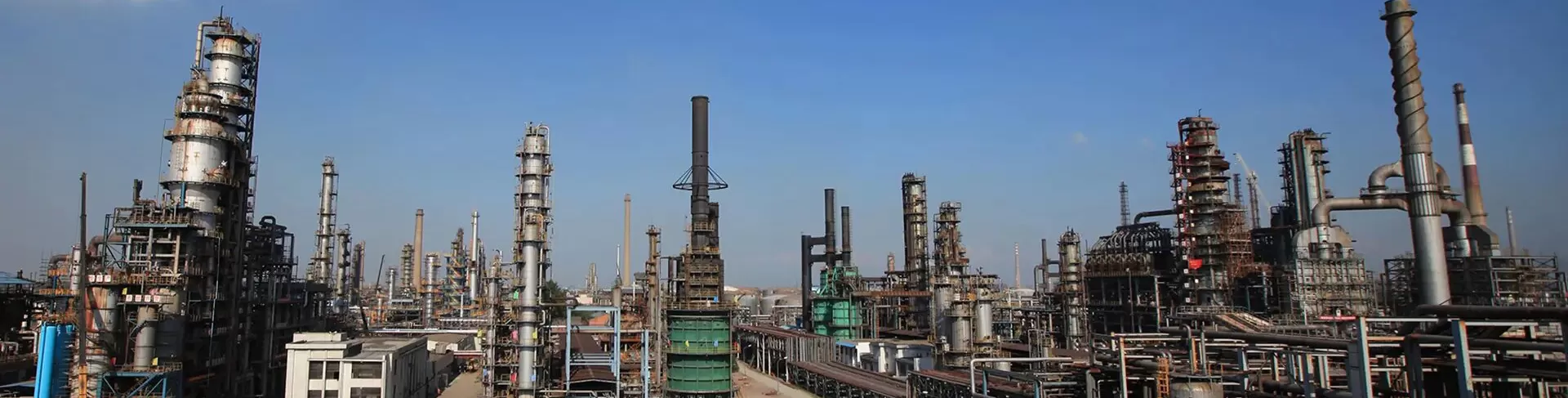
Natural gas, a vital energy resource, demands strict purification to eliminate harmful impurities like hydrogen sulfide (H2S) and sulfur compounds. These contaminants not only corrode pipelines and equipment but also reduce fuel efficiency, making efficient desulfurization critical. Conventional methods often struggle with low removal rates and poor adaptability to varying gas compositions, driving the need for advanced adsorbents. 13X molecular sieve adsorbent emerges as a leading solution, combining high selectivity, robust adsorption capacity, and exceptional stability to address these challenges effectively.
.jpg)
< h2 >Key Advantages of 13X Molecular Sieve Adsorbents< /h2 >
13X molecular sieve adsorbents stand out due to their unique structural and performance features. Characterized by a large pore diameter (approximately 10 Å), they efficiently capture small molecules like H2S and organic sulfur compounds, ensuring deep desulfurization. Their strong polarity enhances affinity for polar sulfur species, outperforming non-polar adsorbents in selective removal. Additionally, 13X exhibits excellent hydrothermal stability, maintaining structural integrity even in high-moisture natural gas environments, and offers superior regeneration performance, reducing operational costs through repeated reuse.
< h2 >Operational Mechanism in Desulfurization and H2S Removal< /h2 >
The adsorption process of 13X molecular sieve relies on two core principles: molecular sieving and surface adsorption. Its crystalline structure contains uniform micropores that act as a selective barrier, allowing only small H2S and sulfur molecules to enter while blocking larger hydrocarbons. Surface adsorption occurs through strong van der Waals forces and dipole interactions,牢牢 binding sulfur compounds to the adsorbent surface. This dual mechanism ensures high removal efficiency, with H2S concentrations reduced to sub-ppm levels, meeting stringent industry standards for natural gas quality.
< h2 >Real-World Applications and Performance< /h2 >
In industrial settings, 13X molecular sieve adsorbents have proven highly effective in natural gas processing plants. Field tests show they achieve H2S removal rates exceeding 99.9% in gas streams with initial sulfur content up to 500 ppm, resulting in final sulfur levels below 0.1 ppm. Their durability in high-temperature (up to 400°C) and high-pressure (up to 10 MPa) conditions minimizes equipment downtime, while their low pressure drop during operation ensures stable gas flow. Regeneration cycles, typically conducted via thermal swing or pressure swing methods, restore adsorption capacity by 95% or more, making them a cost-effective long-term choice.
FAQ:
Q1: What is the maximum H2S adsorption capacity of 13X molecular sieve adsorbents?
A1: Typically 15-20 wt% under standard conditions, depending on H2S partial pressure and temperature.
Q2: Can 13X adsorbents be used for biogas desulfurization?
A2: Yes, their adaptability to low-concentration sulfur compounds makes them suitable for biogas applications.
Q3: How does 13X compare to activated carbon in H2S removal?
A3: 13X offers higher selectivity for H2S and better resistance to moisture, ideal for natural gas processing.