

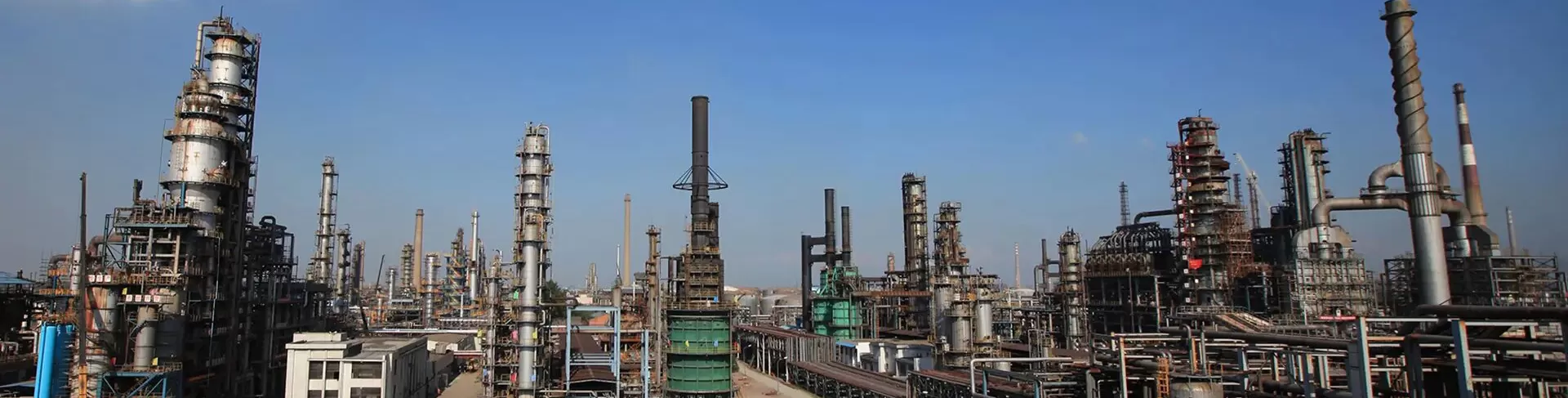
13X molecular sieve, a type of crystalline aluminosilicate with a well-defined pore structure, has emerged as a critical material in the field of industrial air purification. As formaldehyde, a common indoor and industrial pollutant, poses significant health risks, the demand for efficient adsorbents like 13X molecular sieve has grown rapidly. Its ability to selectively capture formaldehyde molecules while maintaining high adsorption capacity makes it indispensable in treating formaldehyde-contaminated environments, whether in factories, homes, or offices.
.jpg)
13X Molecular Sieve’s Unique Properties for Formaldehyde Adsorption
The exceptional performance of 13X molecular sieve in formaldehyde treatment stems from its unique structural characteristics. With a uniform pore diameter of approximately 10 Å, it perfectly matches the size of formaldehyde molecules (0.45 nm), ensuring high selectivity and efficient adsorption. Unlike other adsorbents, 13X molecular sieve exhibits a high adsorption capacity, typically ranging from 15% to 25% by weight for formaldehyde, depending on temperature and humidity. Additionally, its stable crystal structure and chemical inertness allow it to operate under harsh industrial conditions, such as high temperatures and varying pressures, without degradation.
Industrial Applications: From Factories to Indoor Spaces
In industrial settings, 13X molecular sieve is widely used in gas purification systems of chemical plants, wood processing facilities, and paint production lines. These environments often release formaldehyde during manufacturing, and 13X adsorbents effectively reduce formaldehyde levels in exhaust gases, complying with strict environmental regulations. In indoor spaces, it is a core component of modern air purifiers, effectively removing formaldehyde released from building materials, furniture, and装修 (renovation) materials. This dual application—industrial waste treatment and indoor air improvement—highlights its versatility in addressing formaldehyde pollution across the entire environment.
FAQ:
Q1: What makes 13X molecular sieve more effective than activated carbon for formaldehyde adsorption?
A1: 13X molecular sieve has a precise pore structure that specifically targets formaldehyde molecules, offering higher adsorption efficiency and lower regeneration energy compared to activated carbon.
Q2: How often does 13X molecular sieve need to be replaced in air purification equipment?
A2: Its service life depends on formaldehyde concentration and operating conditions. Typically, it can be regenerated through heating (e.g., 120-150°C) or pressure reduction, extending its practical lifespan significantly.
Q3: Is 13X molecular sieve suitable for humid environments?
A3: Yes, its hydrophilic properties are moderate, allowing stable operation even in slightly humid conditions, making it ideal for both dry and moderately moist indoor environments.