

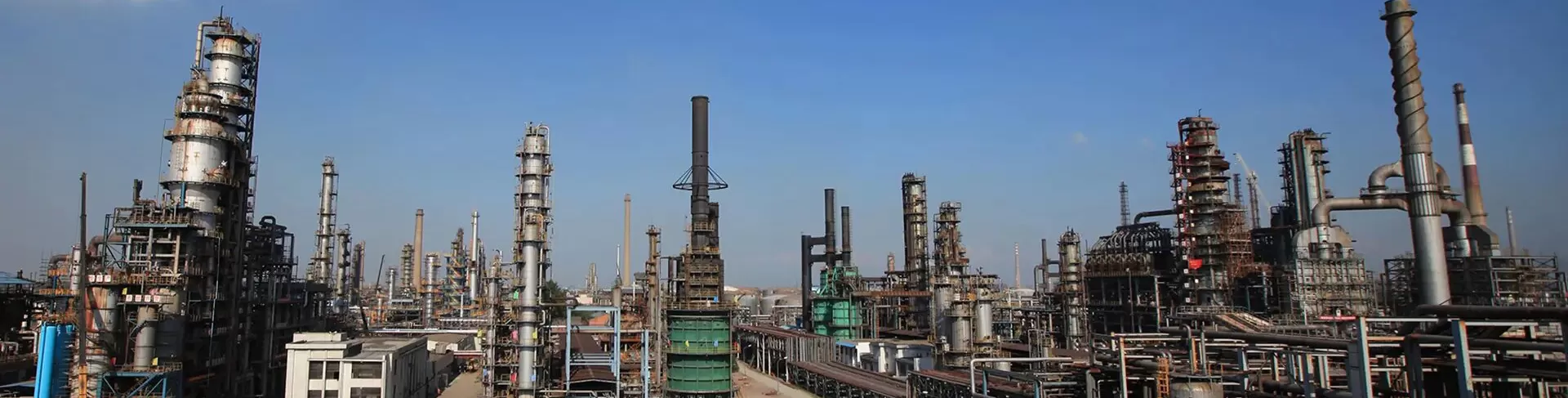
Industrial propane serves as a critical energy source and raw material in sectors like manufacturing, power generation, and chemical synthesis. However, its quality is often compromised by trace amounts of water and heavy hydrocarbons, which not only reduce combustion efficiency but also pose risks of equipment corrosion and operational disruptions. To address these challenges, 13X molecular sieve has emerged as a leading adsorbent, revolutionizing propane processing through targeted dehydration and heavy hydrocarbon removal.
.jpg)
13X Molecular Sieve: A Superior Adsorbent for Propane Refinement
13X molecular sieve stands out due to its unique 10Å uniform pore structure and high adsorption capacity. This crystalline aluminosilicate material selectively traps polar molecules like water while repelling non-polar propane, ensuring efficient separation without altering the target hydrocarbon. Its stable framework and excellent hydrothermal stability make it ideal for continuous industrial use, even under varying temperature and pressure conditions. Unlike traditional adsorbents, 13X exhibits minimal propane breakthrough, maintaining high purity in the treated stream.
Key Applications: Dehydration and Heavy Hydrocarbon Exclusion
In propane processing, dehydration is critical to prevent ice formation in pipelines and corrosion in downstream equipment. 13X molecular sieve effectively reduces water content to sub-ppm levels, ensuring the propane remains stable and compatible with sensitive systems. Simultaneously, it selectively adsorbs heavy hydrocarbons (e.g., benzene, toluene, and higher alkanes) that typically cause carbon deposition in burners and engines. By removing these impurities, 13X not only enhances the propane’s calorific value but also minimizes blockages and extends the lifespan of combustion equipment.
Boosting Combustion Efficiency Through Propane Quality Optimization
The combined effect of dehydration and heavy hydrocarbon removal significantly elevates combustion performance. With reduced water and heavy hydrocarbons, propane burns more completely, resulting in higher heat output and lower emissions of CO, NOx, and particulates. For example, in industrial boilers, using 13X-treated propane can increase thermal efficiency by 5–15% while reducing maintenance costs associated with carbon buildup. This makes 13X molecular sieve a cost-effective solution for upgrading propane quality to meet strict efficiency and environmental standards.
FAQ:
Q1: How does 13X molecular sieve selectively remove water from propane?
A1: Its 10Å pore size preferentially adsorbs water molecules via dipole-dipole interactions, while propane (molecular diameter ~4.3Å) passes through unimpeded, ensuring high-purity separation.
Q2: Can 13X molecular sieve be regenerated for repeated use?
A2: Yes, through pressure swing adsorption (PSA) or thermal swing regeneration (TSR), which desorbs adsorbed water and hydrocarbons, restoring its adsorption capacity for extended cycles.
Q3: What is the typical service life of 13X molecular sieve in propane treatment?
A3: Depends on feed conditions, but it typically operates for 2–5 years before regeneration, with a total lifecycle exceeding 10 years when properly maintained.