

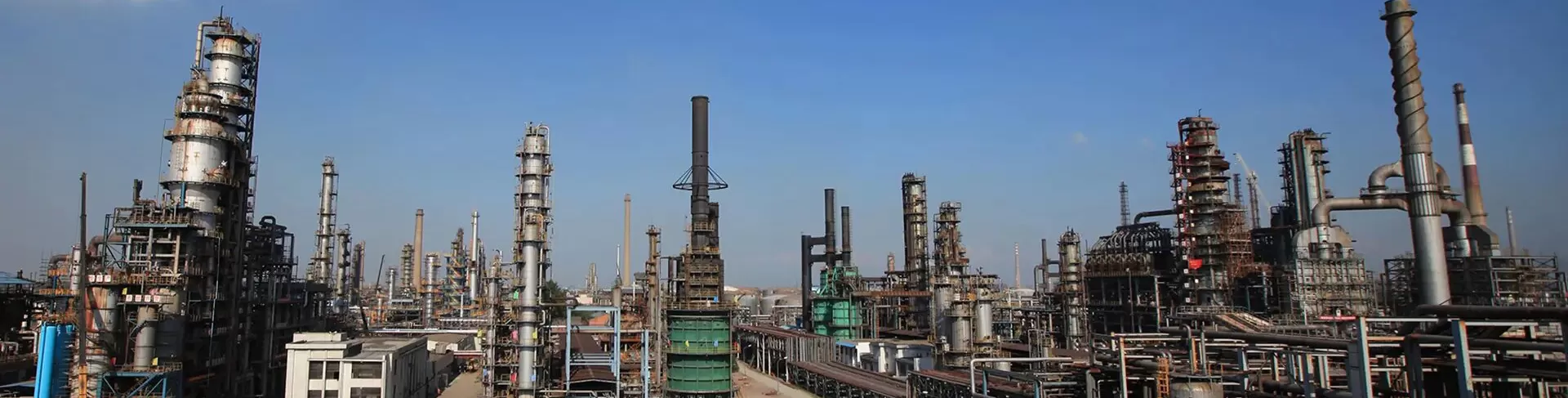
In the dynamic landscape of industrial separation processes, the demand for reliable, high-performance packing solutions for large-scale projects continues to rise. From oil refineries to chemical plants, the efficiency of distillation columns, absorption towers, and extractors hinges critically on the choice of packing media. Among these, bulk quantity saddle ring packing has emerged as a cornerstone component, designed to meet the rigorous demands of massive industrial setups. Its unique design and robust construction make it indispensable for applications where throughput, separation precision, and operational stability are non-negotiable.
.jpg)
Material Selection and Manufacturing Precision
The performance of saddle ring packing begins with meticulous material engineering. For large-scale industrial projects, material choice directly impacts durability, corrosion resistance, and thermal stability. Leading manufacturers offer a range of options, including 316L stainless steel, titanium, and high-grade polymers (e.g., PP, PTFE), each tailored to specific industrial environments. 316L stainless steel, for instance, excels in corrosive chemical services, while titanium is ideal for high-temperature applications exceeding 400°C.
Manufacturing processes are equally critical. Advanced cold-forming techniques ensure consistent saddle geometry, with precise dimensions (ranging from 25mm to 200mm for standard sizes) that maximize surface area and minimize channeling. Automated welding and inspection protocols eliminate defects, ensuring each packing element meets strict quality benchmarks—vital for maintaining uniform flow distribution in large-diameter columns.
Performance Advantages for Large-Scale Operations
Saddle ring packing’s design—characterized by its asymmetric, hourglass shape—offers distinct advantages for large-scale industrial projects. Unlike traditional random packings, its curved surface promotes superior liquid distribution and gas-solid contact, enhancing mass transfer efficiency by 15-20% compared to Raschig rings. This translates to higher separation yields even in columns with diameters exceeding 3 meters.
Additionally, its low-pressure drop (typically 10-15% lower than comparable packings) reduces energy consumption, a critical factor for large systems where pump and compressor costs add significantly to operational expenses. With an operating flexibility range of 80-120% of design capacity, it adapts seamlessly to fluctuating process conditions, minimizing downtime and optimizing project profitability.
Cost-Effectiveness and Long-Term Reliability
For large-scale projects, bulk purchasing of saddle ring packing delivers substantial cost benefits. Volume production allows for economies of scale, reducing the per-unit cost by 20-30% compared to small-batch orders. Complemented by the material’s inherent durability—resisting erosion, oxidation, and chemical attack—this results in extended service life, often exceeding 10 years with minimal maintenance.
Long-term reliability further reduces total cost of ownership (TCO). Fewer replacements and lower energy usage over time make saddle ring packing a cost-effective choice, even for multi-million-dollar industrial setups. Its compatibility with automated installation systems also streamlines project timelines, avoiding delays associated with complex packing procedures.
FAQ:
Q1: What is the minimum order quantity for bulk quantity saddle ring packing?
A1: Standard minimum orders start at 100 cubic meters, with flexible arrangements for larger quantities up to 10,000+ cubic meters to meet project scale requirements.
Q2: Are custom saddle ring designs available for specialized industrial projects?
A2: Yes, custom dimensions, material grades, and surface treatments (e.g., coating for enhanced wettability) can be developed to align with unique process parameters, such as high viscosity fluids or extreme pressure conditions.
Q3: How does saddle ring packing compare to structured packings for large columns?
A3: Saddle rings offer higher throughput and wider operating flexibility, making them ideal for large-diameter columns (≥2m). Structured packings excel in high-efficiency, low-throughput scenarios, but saddle rings provide better cost-efficiency for massive industrial applications.