

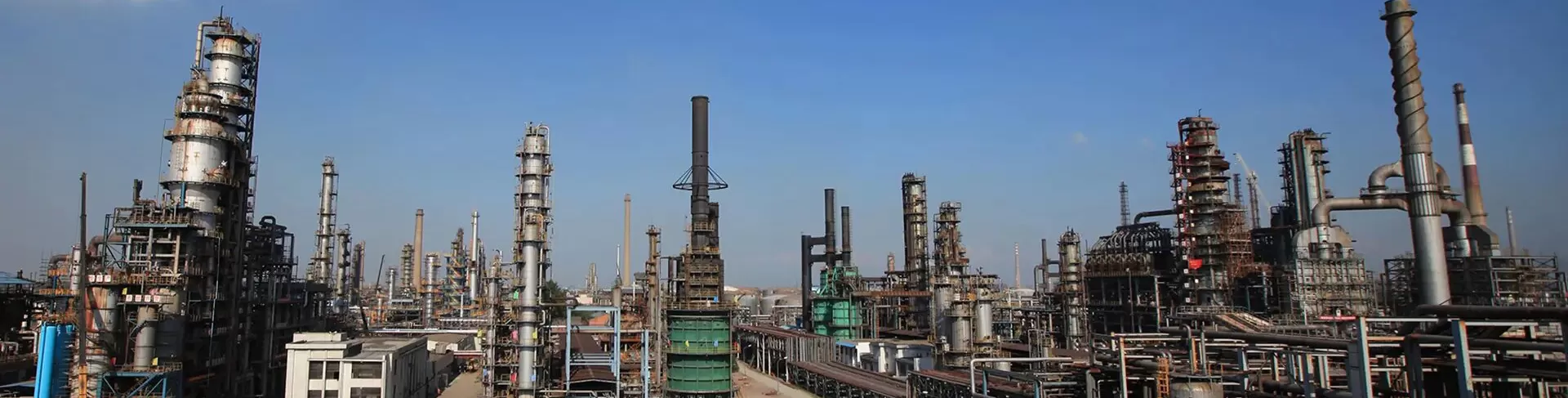
In the dynamic landscape of petrochemical refineries, the demand for efficient separation of complex mixtures—characterized by multiple components, varying boiling points, and potential fouling—remains a critical challenge. Traditional packed tower internals often struggle with balancing high separation efficiency, large throughput, and operational stability. Enter cascade ring packing, a specialized structured packing designed to address these hurdles, leveraging innovative geometry to redefine performance in industrial separation processes.
/阶梯环cascade rin1g 1423 (3).jpg)
Key Design Features of Cascade Ring Packing
Cascade ring packing distinguishes itself through a unique "cascading" geometric architecture. Unlike simple rings or saddles, its annular structure incorporates multiple transverse and longitudinal apertures, creating a network of interconnected flow channels. This design yields an optimized balance between high specific surface area (typically ranging from 200 to 500 m²/m³) and high porosity (70–85%), ensuring efficient contact between gas and liquid phases. The staggered开孔 (openings) disrupt vertical flow barriers, promoting uniform distribution and reducing channeling, while the annular profile minimizes liquid hold-up, enhancing mass transfer rates.
Performance Advantages in Petrochemical Refineries
In petrochemical refineries, cascade ring packing delivers tangible operational benefits. Its optimized flow dynamics translate to superior separation efficiency, with theoretical plate numbers (NTP) often 15–20% higher than conventional packings like鲍尔环 (pall rings). This efficiency directly improves product purity, critical for applications such as gasoline blending and diesel desulfurization. Additionally, the structured design minimizes pressure drop (typically 0.5–2.0 kPa/m at full load), reducing energy consumption for pump and compressor systems. Its robust construction—resistant to corrosion, thermal shock, and mechanical wear—further extends service life, lowering maintenance costs in harsh refinery environments.
Industrial Applications and Practical Outcomes
Cascade ring packing has proven versatile across diverse petrochemical processes. In catalytic cracking units, it enhances the separation of light olefins from heavy gas oils, boosting refinery yields by 5–8%. In hydrotreating reactors, its anti-fouling properties reduce catalyst deactivation risks, extending run lengths by 10–15%. A case study at a major Asian refinery demonstrated that replacing traditional packed internals with cascade ring packing increased the separation efficiency of a vacuum distillation column by 22%, while lowering operating pressure drop by 15%—resulting in an annual energy saving of over $400,000.
FAQ:
Q1: What core design element enables cascade ring packing to outperform traditional packed tower internals in complex separation?
A1: Its unique annular structure with staggered transverse and longitudinal apertures creates a self-optimizing flow network, increasing specific surface area and reducing channeling, thus enhancing mass transfer efficiency.
Q2: How does cascade ring packing handle high-viscosity or fouling-prone fluids common in refineries?
A2: Optimized porosity and open flow paths minimize liquid hold-up and fouling accumulation, while the robust material selection (e.g., stainless steel, ceramics) resists corrosion, ensuring stable operation even with viscous or impure feeds.
Q3: What maintenance strategies are recommended for cascade ring packing in long-term refinery use?
A3: Regular visual inspections for wear and plugging are sufficient, as the packing’s low mechanical stress design reduces breakage. Chemical cleaning (e.g., with caustic solutions for acidic deposits) is rarely needed, lowering maintenance downtime.