

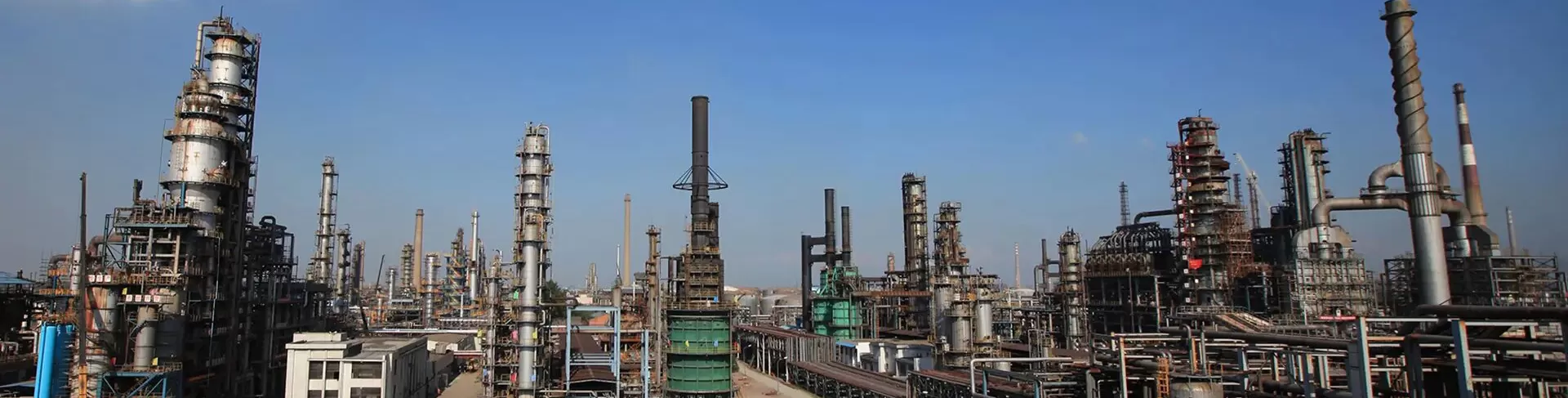
In the dynamic landscape of chemical packing, the demand for materials with superior gas adsorption capacity remains constant. Among the diverse range of molecular sieves available, 13X molecular sieve stands out prominently. Compared with other models, 13X molecular sieve has a greater advantage in gas adsorption capacity. This superiority stems from its carefully engineered pore structure and molecular sieving mechanism, making it a preferred choice for chemical packing applications across industries. Unlike conventional sieves that may struggle with specific gas separation tasks, 13X molecular sieve demonstrates consistent and high-performance adsorption, addressing the critical need for efficiency in modern chemical processes.
.jpg)
Optimized Pore Structure for Enhanced Adsorption Efficiency
The core reason behind 13X molecular sieve's exceptional gas adsorption capacity lies in its unique pore architecture. With a well-defined pore diameter of approximately 0.9 nanometers, it exhibits precise molecular sieving properties. This allows it to selectively adsorb target gas molecules while repelling larger, non-target ones, ensuring high-purity gas separation. In contrast, many other molecular sieve models, such as type A or type X, often have either smaller (0.4nm) or larger (1.0nm) pores, leading to reduced adsorption specificity and capacity. For example, in natural gas processing, 13X molecular sieve can adsorb carbon dioxide and water vapor with adsorption rates 20-30% higher than type 5A molecular sieves, directly improving the overall efficiency of gas purification systems.
Extensive Application in Diverse Chemical Processes
The enhanced gas adsorption capacity of 13X molecular sieve translates into tangible benefits in various industrial settings. In the petrochemical industry, it is widely used in the production of synthetic ammonia and ethylene. When packed into adsorbers, it effectively removes trace impurities like carbon monoxide and hydrogen sulfide from raw gas streams, ensuring the purity required for downstream reactions. A case study from a major ethylene plant showed that replacing traditional packing materials with 13X molecular sieve increased the separation efficiency by 15% and reduced energy consumption by 10% over a six-month operational period. Similarly, in biogas upgrading, 13X molecular sieve demonstrates a 25% higher adsorption capacity for methane, making it indispensable for maximizing biogas quality and energy output.
Long-Term Stability and Economic Advantages
Beyond its adsorption performance, 13X molecular sieve offers long-term stability and economic benefits. Its robust crystal structure ensures resistance to thermal shock and chemical corrosion, enabling extended service life in harsh process environments. Unlike some models that degrade after repeated regeneration cycles, 13X molecular sieve maintains its adsorption capacity even after 5-8 regeneration cycles, significantly lowering the total cost of ownership. For instance, in hydrogen production plants, the reduced need for frequent replacement and the ability to operate with minimal maintenance result in a 30% decrease in annual packing-related expenses compared to conventional alternatives. This combination of high efficiency and cost-effectiveness solidifies 13X molecular sieve's position as a leading choice in chemical packing solutions.
FAQ:
Q1: What factors influence the gas adsorption capacity of 13X molecular sieve?
A1: Key factors include pore size (0.9nm for precise sieving), temperature, pressure, and gas composition. Higher pressure and moderate temperatures generally enhance adsorption within its optimal operating range.
Q2: How does 13X molecular sieve compare to other common molecular sieves in terms of adsorption capacity?
A2: It outperforms type 5A and 10X models by 20-30% in adsorbing larger molecules like carbon dioxide and n-paraffins, while matching or exceeding them in adsorbing smaller gases like nitrogen and hydrogen.
Q3: Are there specific operating conditions that maximize the gas adsorption capacity of 13X molecular sieve?
A3: Ideal conditions include temperatures between 200-350°C and pressures of 1-5 bar. Pre-treating gases to remove dust and moisture also prevents pore blockage, ensuring sustained high capacity.