

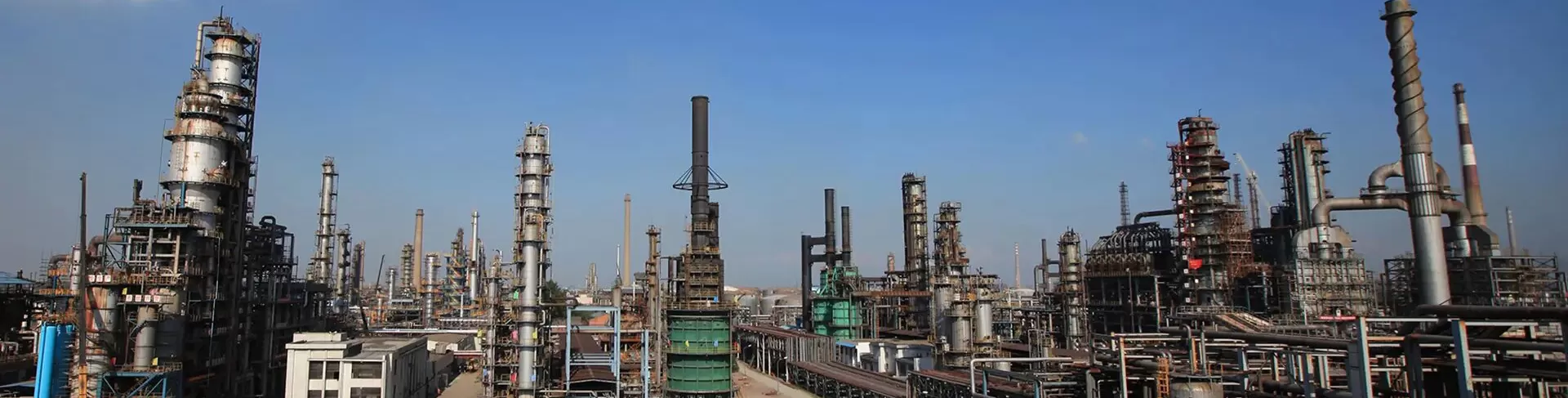
In industrial processes, tower equipment serves as the core for separation, absorption, and reaction units, and the performance of internal components—especially packing—directly impacts operational efficiency. Traditional structured packing, often limited by fixed dimensions, struggles to fit unique tower configurations, leading to suboptimal mass transfer, uneven fluid distribution, and increased energy consumption. Enter customizable-dimension ceramic structured packing, a tailored solution designed to address these challenges by offering flexible dimensions that adapt seamlessly to the specific needs of diverse industrial towers.
.jpg)
Precision Engineering for Tailored Dimensions
At the heart of this innovation lies precision engineering, leveraging advanced CAD design and computer-controlled manufacturing to produce packing elements with customizable dimensions. Unlike standard packing, which typically follows fixed size specifications, this product allows for adjustments in key parameters such as height, width, and the spacing of structured layers, enabling it to fit even the most unique tower geometries. Whether dealing with small-diameter towers in pilot plants or large-diameter columns in petrochemical complexes, the packing can be engineered to match exact tower diameters, heights, and internal structural constraints. This adaptability ensures a tight fit, eliminating gaps that cause fluid maldistribution and maximizing contact between gas and liquid phases for enhanced separation efficiency.
Optimized Performance Across Diverse Industrial Applications
Beyond dimensional flexibility, customizable-dimension ceramic structured packing maintains the inherent advantages of ceramic materials—excellent high-temperature resistance, chemical inertness, and mechanical strength. These properties make it ideal for harsh industrial environments, including corrosive media, high-pressure systems, and elevated temperature processes. In chemical plants, it optimizes mass transfer in distillation towers; in petrochemical refineries, it enhances separation accuracy for complex hydrocarbon mixtures; and in environmental treatment facilities, it efficiently handles gas absorption or liquid-liquid extraction. By tailoring dimensions to specific project requirements, it ensures that each application—whether a small-scale pharmaceutical distillation or a large-scale natural gas processing—receives the perfect packing solution, reducing operational costs and improving product yields.
Seamless Integration into Unique Tower Projects
Industrial projects often involve unique tower setups, such as non-standard column shapes, limited space constraints, or retrofitting of aging equipment. Customizable-dimension ceramic structured packing excels in these scenarios by offering modular design options. Its standardized yet adjustable components can be easily assembled to fit irregular tower internals, minimizing downtime during installation or retrofitting. For example, in老旧工厂改造项目, where existing towers may have irregular diameters or uneven internal supports, the packing can be precisely cut or shaped to match, avoiding the need for costly tower modifications. This not only speeds up project timelines but also ensures consistent performance, making it a reliable choice for engineers facing complex industrial challenges.
FAQ:
Q1: What key advantage does customizable-dimension ceramic structured packing offer over standard packing?
A1: It allows precise dimension adjustments to fit unique tower configurations, eliminating performance gaps and optimizing efficiency in non-standard industrial setups.
Q2: Which industries benefit most from this specialized packing type?
A2: Chemical, petrochemical, pharmaceutical, and environmental protection industries, where unique tower designs or process demands require tailored solutions.
Q3: How does customization affect the long-term operational cost of industrial projects?
A3: By ensuring optimal performance and reducing maintenance needs (thanks to ceramic durability), it lowers energy consumption and extends equipment lifespan, cutting long-term costs.