

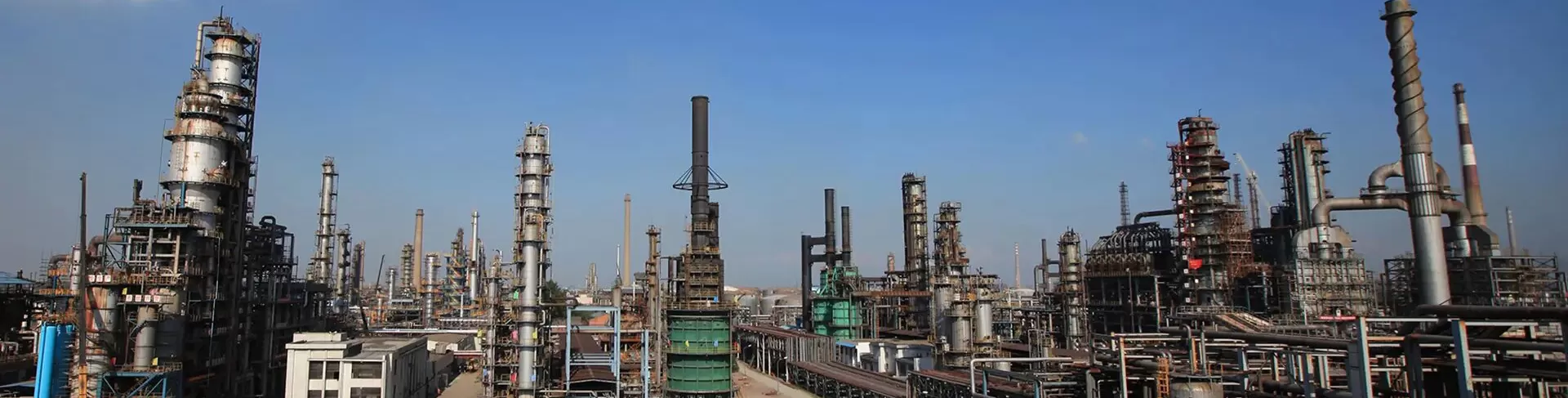
In industrial settings involving combustible chemicals, storage safety is a critical concern. The risk of fire, explosion, and chemical leakage demands robust solutions that not only contain substances but also mitigate ignition risks. Traditional packing materials, such as鲍尔环 (pall rings) or拉西环 (raschig rings), often lack inherent flame resistance, leaving storage systems vulnerable to catastrophic incidents. This is where flame retardant saddle ring packing emerges as a game-changer, offering a specialized design tailored to the unique challenges of storing flammable chemicals.
.jpg)
Superior Design: Key Features of Flame Retardant Saddle Ring Packing
Unlike conventional packing, flame retardant saddle ring packing combines structural innovation with built-in flame resistance. Its signature saddle-shaped profile maximizes specific surface area, enhancing mass transfer efficiency while minimizing pressure drop—critical for maintaining stable storage conditions. Constructed from flame-retardant materials, including reinforced polymers (e.g., PVC, PP, or PVDF) or metal alloys infused with fire-retardant additives, the packing exhibits self-extinguishing properties. When exposed to high temperatures or sparks, it self-limits combustion, preventing the spread of fire and reducing heat propagation within storage systems. Additionally, its smooth surface resists chemical corrosion, ensuring long-term durability in contact with aggressive substances like acids, solvents, and oxidizers.
Performance Benefits: Enhancing Safety and Efficiency in Combustible Storage
Implementing flame retardant saddle ring packing transforms storage operations by balancing safety and operational efficiency. By slowing heat transfer and blocking flame propagation, it significantly reduces the risk of fire escalation, protecting both personnel and infrastructure. Simultaneously, its optimized geometry promotes uniform fluid distribution, minimizing dead zones and ensuring consistent storage conditions. This results in lower maintenance needs, fewer incidents of chemical degradation, and extended service life for storage equipment. For operators, this translates to reduced downtime, lower replacement costs, and compliance with strict industrial safety regulations—all while maintaining the high throughput required for daily operations.
Applications and Industry Compliance: Where to Implement This Packing
Flame retardant saddle ring packing finds widespread use in industries handling flammable chemicals, including chemical manufacturing, pharmaceutical production, and environmental treatment plants. It is particularly valuable in vertical storage tanks, horizontal drum systems, and gas-liquid separation units. Rigorously tested to meet international standards such as OSHA 1910.106, NFPA 30, and ADR 2023, the packing ensures compliance with global fire safety codes. Whether storing solvents, petroleum products, or reactive chemicals, it provides a versatile, reliable barrier against fire risks, making it an indispensable component in modern chemical storage infrastructure.
FAQ:
Q1: What makes flame retardant saddle rings different from standard saddle packing?
A1: They include flame-retardant additives or use inherently fire-resistant materials, enabling self-extinguishing behavior and reduced fire spread risk.
Q2: Can this packing be retrofitted into existing storage tanks?
A2: Yes, its modular design allows easy installation in both new and existing systems, with minimal modifications to tank interiors.
Q3: What temperature range can flame retardant saddle rings withstand?
A3: Most models operate within -40°C to 200°C, with high-performance metal variants handling up to 350°C for specialized applications.