

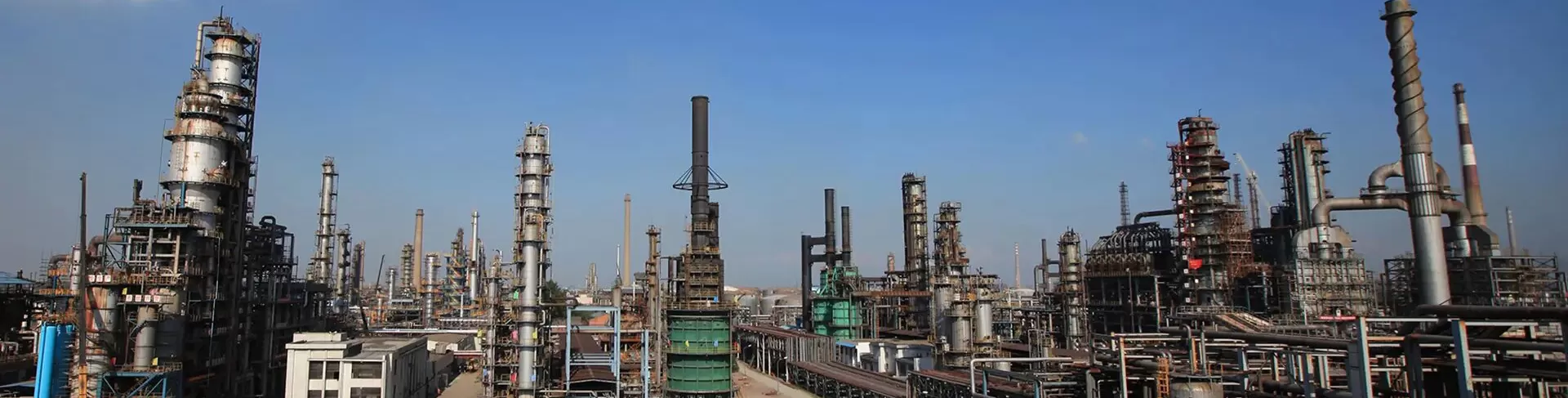
In chemical engineering, efficient separation processes rely heavily on high-performance packing materials, especially in environments where extreme temperatures pose significant challenges. Traditional metal or plastic packings often degrade under sustained high heat, leading to frequent replacements and operational inefficiencies. This has driven the demand for novel, heat-resistant solutions, and Glass Ceramic saddle ring Packing has emerged as a game-changer. Combining the durability of ceramics with the structural advantages of saddle design, these packing rings excel in environments where temperatures exceed 800°C, making them indispensable for industries like petrochemical refining, energy production, and high-temperature environmental treatment.
.jpg)
Material Composition and High-Temperature Performance
The exceptional heat resistance of Glass Ceramic Saddle Ring Packing stems from its unique material composition, typically an advanced blend of high-purity alumina (Al₂O₃) and silica (SiO₂) with carefully controlled additives. This formulation results in a material that maintains structural integrity even at temperatures up to 1200°C, far exceeding the limits of conventional alternatives. Unlike metal packings, which oxidize at high temperatures, glass ceramics form a stable, inert surface layer when exposed to heat, preventing further degradation. Additionally, their low thermal expansion coefficient (≤5×10⁻⁶/°C) minimizes thermal stress, reducing the risk of cracking or shattering during temperature fluctuations—a critical advantage in dynamic industrial settings.
Structural Design: Optimizing High-Temperature Efficiency
Beyond material science, the saddle ring geometry of these packings is engineered to maximize high-temperature separation efficiency. The design features a concave, hourglass shape with strategic notches, creating a balance between surface area and fluid dynamics. This structure increases the specific surface area to over 200 m²/m³, providing ample sites for vapor-liquid contact while reducing pressure drop—a key metric for energy conservation. Unlike flat or cylindrical packings, the saddle shape promotes uniform fluid distribution and enhanced turbulence, ensuring that every portion of the packing is utilized efficiently. In high-temperature scenarios, this optimized flow pattern prevents channeling and maldistribution, maintaining consistent separation performance even as temperatures rise.
Industrial Applications: From Refineries to Waste Incineration
Glass Ceramic Saddle Ring Packing finds widespread use in industries where high-temperature stability is non-negotiable. In petrochemical refineries, they are critical components in catalytic crackers and distillation columns, where temperatures often reach 1000°C, ensuring stable operation of processes like gasoline production. In energy sectors, they support the separation of synthesis gases in coal gasification units, where extreme heat and corrosive byproducts demand reliable performance. Even in environmental applications, such as waste incineration flue gas treatment, these packings maintain efficiency despite exposure to temperatures above 900°C, contributing to cleaner emissions control. By minimizing downtime and maintenance costs, they deliver long-term operational savings, making them a cost-effective choice for high-temperature systems.
FAQ:
Q1: What is the maximum continuous operating temperature of glass ceramic saddle rings?
A1: Up to 1200°C, with short-term tolerance to peak temperatures reaching 1300°C.
Q2: How does the saddle design improve high-temperature mass transfer efficiency?
A2: The concave shape increases specific surface area and promotes fluid turbulence, enhancing vapor-liquid contact and reducing separation time.
Q3: Are these packings resistant to corrosive high-temperature media like sulfuric acid?
A3: Yes, their glass-ceramic composition offers excellent resistance to acids, alkalis, and molten salts, even at elevated temperatures.