

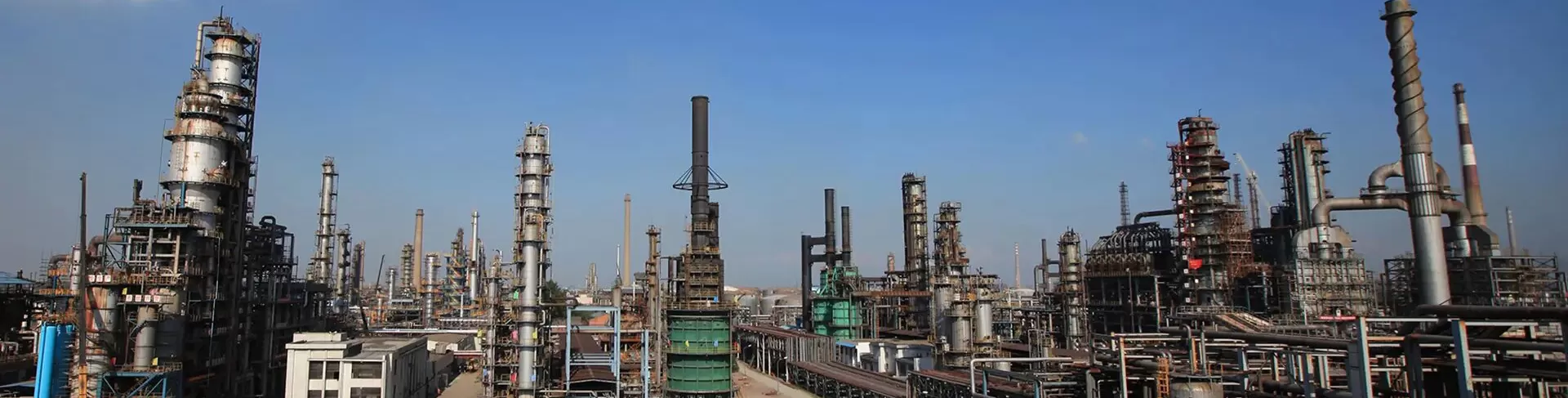
In chemical process industries, separation operations are the backbone of producing pure products, from petrochemicals to pharmaceuticals. Traditional random packings, while widely used, often face limitations in mass transfer efficiency and operational flexibility, leading to suboptimal separation yields and higher energy consumption. To address these challenges, high efficiency saddle ring packing has emerged as a game-changer, designed to redefine separation performance by integrating structural innovation, material science, and process optimization. This advanced packing solution not only boosts separation yields but also ensures stable, long-term operation in diverse industrial settings.
.jpg)
Design Principles of High Efficiency Saddle Ring Packing
The core of high efficiency saddle ring packing lies in its optimized geometry. Unlike conventional random packings, which typically feature cylindrical or ring-shaped structures, saddle ring packing adopts a unique hourglass design—narrowing at both ends and flaring outward at the middle. This shape maximizes the specific surface area available for gas-liquid contact, with values often exceeding 200 m²/m³, far surpassing traditional packings. Additionally, the design minimizes channeling and dead zones, ensuring uniform distribution of fluids and gases across the packing bed. Material selection further enhances performance: common options include stainless steel (304, 316L), polypropylene (PP), and ceramic, each tailored to process conditions such as temperature, pressure, and chemical compatibility. Surface modifications, such as fine grooves or roughness, further promote wetting and mass transfer, making the packing adaptable to both organic and inorganic separation tasks.
Performance Advantages: Driving Separation Yield
High efficiency saddle ring packing delivers tangible benefits that directly impact separation yield. Its superior surface area and optimized flow pattern significantly reduce the height equivalent of a theoretical plate (HETP), a key indicator of separation efficiency. In practice, this translates to 15-30% higher separation yields compared to conventional random packings, enabling production of purer products with fewer stages. Lower pressure drop is another critical advantage: the hourglass structure allows for smoother fluid flow, reducing energy consumption for pumping and compression systems by up to 20%. The packing also exhibits excellent mechanical strength, resisting abrasion and attrition even under high gas velocities, ensuring long service life and minimal maintenance. These combined features make it a cost-effective choice for industries seeking to optimize separation processes without compromising on product quality.
Industrial Applications and Industry Impact
High efficiency saddle ring packing finds widespread use across chemical processing sectors. In the oil and gas industry, it is integral to distillation towers for separating hydrocarbons, where maximizing yield of gasoline, diesel, and petrochemical feedstocks is critical. In fine chemical manufacturing, it enhances the recovery of solvents and active pharmaceutical ingredients (APIs) through extraction and absorption processes. The packing also excels in environmental applications, such as treating industrial废气 or wastewater, where efficient separation of pollutants is essential for compliance and sustainability. By increasing separation yields and reducing operational costs, high efficiency saddle ring packing helps companies meet growing demand for energy efficiency and product purity while adhering to strict industry standards, solidifying its role as a cornerstone of modern chemical separation technology.
FAQ:
Q1: How does the unique structure of saddle ring packing improve separation efficiency?
A1: Its hourglass shape increases specific surface area, reduces channeling, and ensures uniform fluid distribution, enhancing gas-liquid contact and mass transfer.
Q2: What are the main material options for high efficiency saddle ring packing?
A2: Common materials include stainless steel (304/316L), polypropylene (PP), and ceramic, selected based on process temperature, pressure, and chemical resistance requirements.
Q3: Can high efficiency saddle ring packing be retrofitted into existing separation equipment?
A3: Yes, its random packing design allows for easy installation in towers or columns without major structural modifications, making it suitable for both new builds and upgrades.