

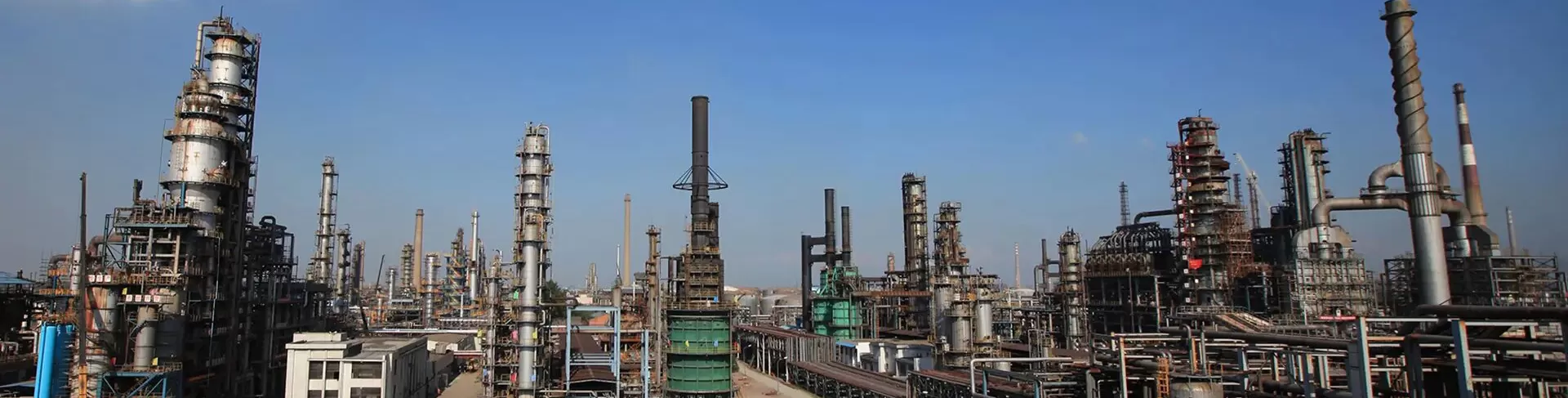
Remote industrial sites—think oil refineries in remote deserts, gas processing plants in mountainous regions, or pharmaceutical facilities in isolated areas—face unique operational challenges. Unlike urban factories with easy access to maintenance teams and spare parts, these remote locations often suffer from limited transportation, high logistics costs, and scarce technical expertise. Traditional packing solutions, while effective in ideal conditions, frequently require frequent inspections, cleaning, or replacement due to harsh environmental factors like extreme temperatures, corrosive chemicals, or mechanical stress. This not only disrupts production but also increases long-term operational expenses. Enter the Minimal Maintenance saddle ring Packing—a specialized solution designed to address these pain points, offering reliable performance with minimal upkeep needs for remote industrial applications.
.png)
Product Design & Material Engineering
The minimal maintenance attribute of this saddle ring packing stems from two key innovations: its structural design and material composition. Unlike conventional random packings, the saddle ring geometry features a curved, notched profile that enhances gas-liquid contact efficiency while reducing pressure drop—critical for optimizing separation processes in columns. This design minimizes fouling, as the notches prevent the accumulation of solids or viscous substances, reducing the need for frequent cleaning. Material selection further reinforces low-maintenance requirements: high-performance polymers like polypropylene (PP), polyvinylidene fluoride (PVDF), or 316L stainless steel are used, chosen for their exceptional resistance to corrosion, oxidation, and thermal cycling. These materials eliminate the need for regular coating replacements or material upgrades, ensuring the packing retains its integrity even in remote, harsh environments.
Applications in Challenging Environments
This packing excels in remote industrial settings where maintenance resources are limited. In oil and gas processing, for example, remote wellhead treatment plants often handle aggressive fluids like hydrogen sulfide or acidic gases. The saddle ring’s chemical-resistant materials and self-cleaning design ensure stable operation without constant checks. Similarly, in pharmaceutical manufacturing, where strict hygiene standards are non-negotiable, the packing’s smooth surface and resistance to bacterial growth reduce sanitization cycles. Even in mining-related chemical processing, where high temperatures and abrasive particles are common, the packing’s durability minimizes the risk of damage, translating to fewer unplanned shutdowns. By integrating seamlessly into existing column systems, it adapts to remote sites without requiring extensive modifications, making it a versatile choice for diverse industrial needs.
Installation & Long-Term Operational Benefits
Beyond its low-maintenance design, the saddle ring packing simplifies installation in remote areas. Its lightweight structure (compared to some metal packings) reduces transportation and handling costs, a critical factor for sites with limited access. Once installed, the packing requires minimal operational oversight: routine checks every 12–18 months are typically sufficient, as the materials resist degradation from UV radiation, chemical attack, or mechanical wear. This not only cuts labor costs but also reduces the need for specialized maintenance teams to travel to remote locations. Over time, the packing’s consistent performance translates to higher overall efficiency, with lower energy consumption due to reduced pressure drop and extended service life—often 3–5 years longer than traditional packings, further justifying its initial investment.
FAQ:
Q1: What key features make this packing ideal for remote industrial sites?
A1: Lightweight, corrosion-resistant materials, and self-cleaning saddle design minimize on-site maintenance and reduce downtime.
Q2: Which materials are available for the saddle ring packing?
A2: Common options include PP, PVDF, and 316L stainless steel, selected based on chemical compatibility and environmental conditions.
Q3: How often does this packing need inspection or replacement?
A3: Typically, inspections every 1–2 years and replacements every 3–5 years, depending on operating intensity and fluid properties.