

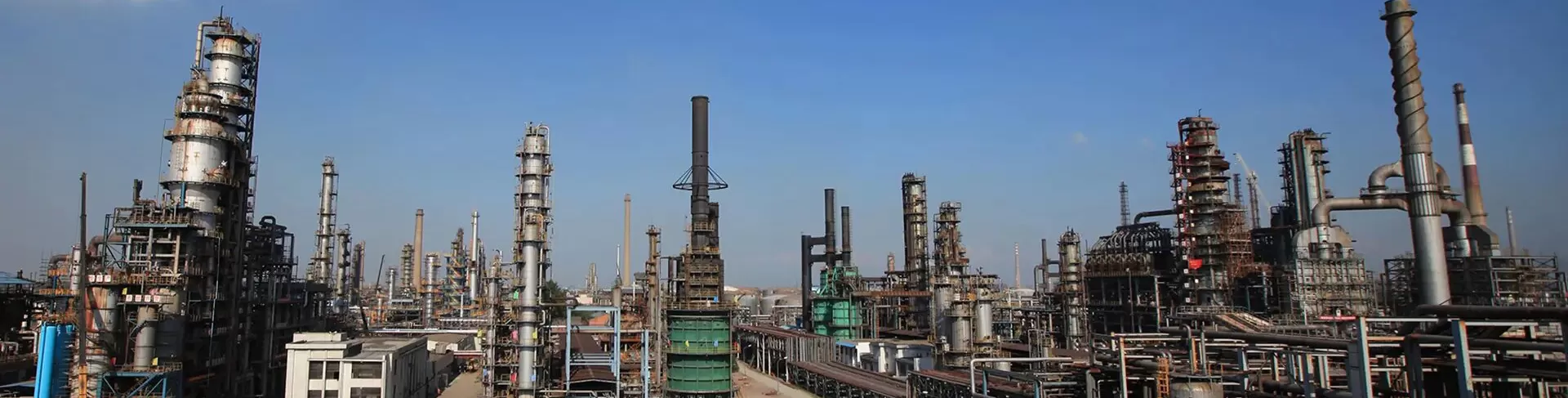
In industrial processes, efficient fluid distribution is critical for maintaining product quality, reducing energy consumption, and ensuring process stability. Chemical processing, petrochemical refining, and environmental treatment systems rely heavily on the performance of internals like packing materials. Among these, structured packing has emerged as a key innovation, and the Uniform-Geometry Design Ceramic Structured Packing (UGDCSP) stands out for its ability to precisely control flow dynamics in distribution systems. Unlike traditional random packings, UGDCSP leverages consistent geometric features to optimize fluid movement, making it a preferred choice for industries demanding reliable and high-efficiency separation.
.jpg)
Uniform-Geometry Design: The Core of Optimized Flow Dynamics
The defining feature of UGDCSP lies in its uniform-channel architecture. Each packing element is engineered with consistent dimensions, including channel width, depth, and spacing, ensuring that fluid flows through the packing with minimal resistance and maximum uniformity. This design eliminates the "dead zones" and uneven flow patterns common in random packings, where irregular shapes can cause bypassing or maldistribution. By maintaining a tight geometric tolerance, UGDCSP achieves a high specific surface area (typically 200–500 m²/m³) and a controlled porosity (55–75%), balancing contact efficiency (via surface area) and flow capacity (via porosity). For example, in a distillation column, this uniform flow ensures that vapor and liquid phases distribute evenly across the packing height, reducing mass transfer resistance and improving separation precision.
Ceramic Material Advantages: Heat Resistance and Chemical Stability
Beyond geometric design, UGDCSP’s performance is enhanced by its ceramic composition, typically alumina-based (Al₂O₃) or silica-alumina materials. Ceramics offer superior thermal shock resistance, with melting points exceeding 1600°C, making them suitable for high-temperature industrial environments such as petrochemical furnaces or waste incineration systems. Additionally, their chemical inertness ensures resistance to corrosive media, including acids, alkalis, and organic solvents, which are prevalent in chemical processing. Unlike metal packings, which may corrode or oxidize under extreme conditions, ceramics maintain structural integrity over time, reducing maintenance needs and extending service life. This combination of geometric precision and material robustness positions UGDCSP as a durable and versatile solution for harsh industrial settings.
Industrial Application: Enhancing Distribution Systems Efficiency
In industrial distribution systems, UGDCSP excels in applications requiring precise flow control, such as distillation, absorption, and gas-liquid contact processes. In petrochemical refineries, for instance, it optimizes the separation of hydrocarbons in fractional distillation columns, improving product purity while lowering energy input. In environmental treatment, it aids in gas scrubbing systems by ensuring uniform distribution of pollutants, enhancing absorption efficiency and reducing emissions. Even in heat-exchange equipment, its high thermal conductivity and stable structure help maintain consistent temperature profiles, preventing localized hot spots that could damage system components. By integrating UGDCSP into these systems, operators can achieve higher throughput, lower operational costs, and better compliance with industry standards.
FAQ:
Q1: What specific surface area does UGDCSP typically offer?
A1: Standard UGDCSP designs range from 250 to 500 m²/m³, with custom options available based on application requirements.
Q2: Can ceramic structured packing withstand extreme pH environments?
A2: Yes, alumina-based ceramics exhibit excellent chemical inertness, making them suitable for highly acidic or alkaline conditions.
Q3: How does UGDCSP compare to metal packings in terms of pressure drop?
A3: Due to its uniform geometry, UGDCSP typically has 15–20% lower pressure drop than random metal packings, reducing pump energy consumption.